Security Product Engineering












QA and Test Engineering for Products That Cannot Afford a Bad Release
Built on Amoeba, our agent testing framework, we evaluate accuracy, safety, and cost together, so you catch what a passing test can still miss.
Trusted by leading ISVs
and ecosystem partners



















Continuous Quality Engineering Across Your Entire Delivery Pipeline
We run AI-prioritized regression, self-healing automation, and security checks continuously across your delivery pipeline, so quality is measured and enforced at every stage, not just before release.
What Complete Test Coverage Actually Looks Like
Automation, performance, security, and AI-specific testing, wired into the pipeline so quality is verified on every release.
Test case generation from user stories, self-healing automation that adapts to UI and API changes, and risk-prioritized regression runs, with engineers retaining sign-off.
Test suites for AI-powered features: model outputs evaluated against ground truth, prompt robustness under adversarial inputs, and RAG accuracy tracked as reportable metrics.
Automated suites covering UI, API, and backend, architected for CI/CD with self-healing that adapts to interface changes. Flaky test detection ensures failures are deterministic.
Load, stress, spike, and endurance testing tied to defined thresholds, with chaos testing for distributed systems and AI-assisted anomaly detection during load runs.
Vulnerability scanning, VAPT, and security validation integrated into the QA cycle. DevSecOps-aligned, with AI-assisted prioritization ranking findings by exploitability.
Functional, integration, and consumer-driven contract testing across APIs and microservice boundaries, with breaking changes caught at the pull request stage.
Validation across browsers, operating systems, screen sizes, and device types against the product's target matrix, including native and cross-platform mobile.
WCAG 2.2 compliance validation combining automated scanning with manual assistive-technology testing, plus usability testing with real users against defined task flows.
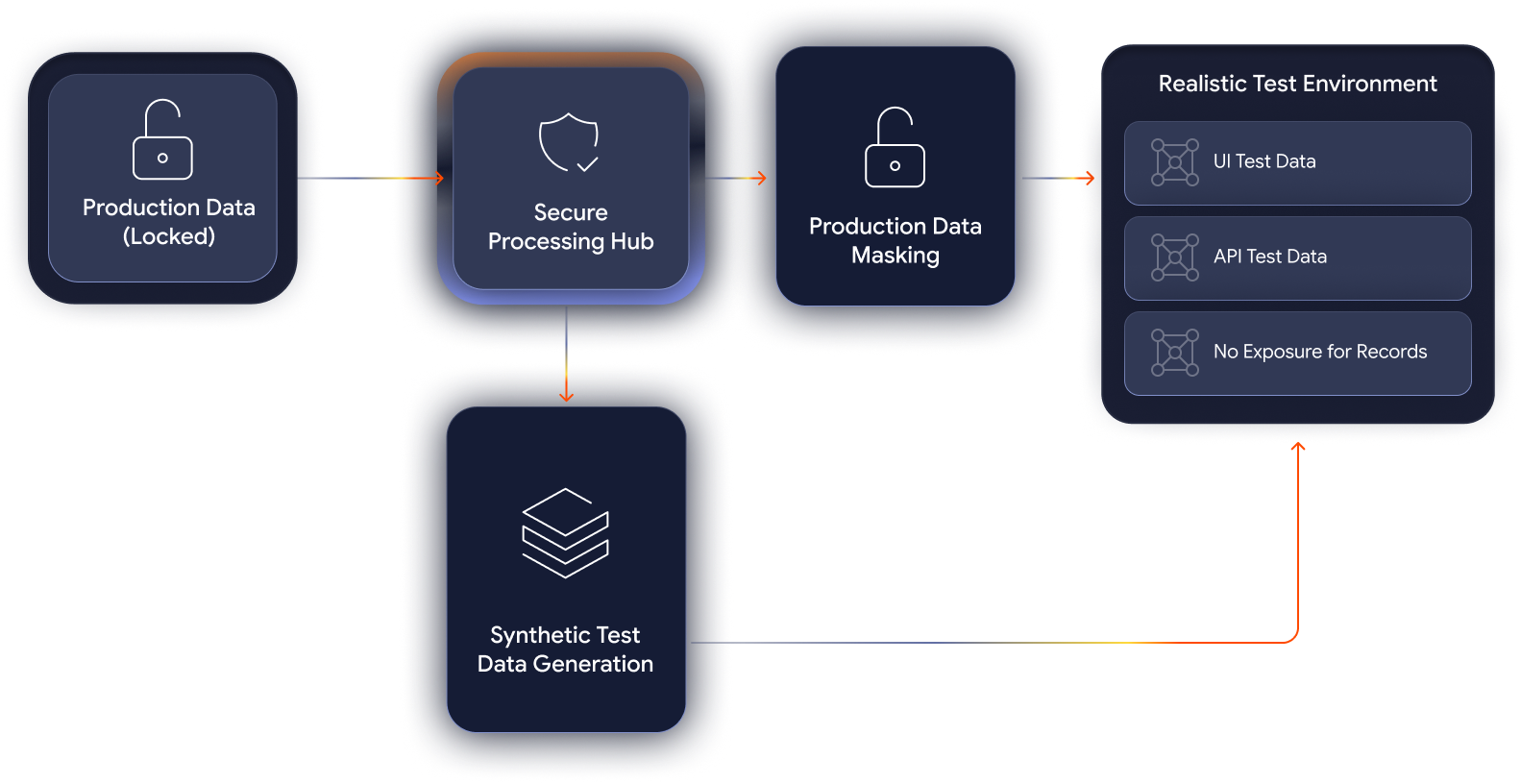
Synthetic test data generation, production data masking, and environment data setup so test suites run against realistic data without exposing sensitive records.
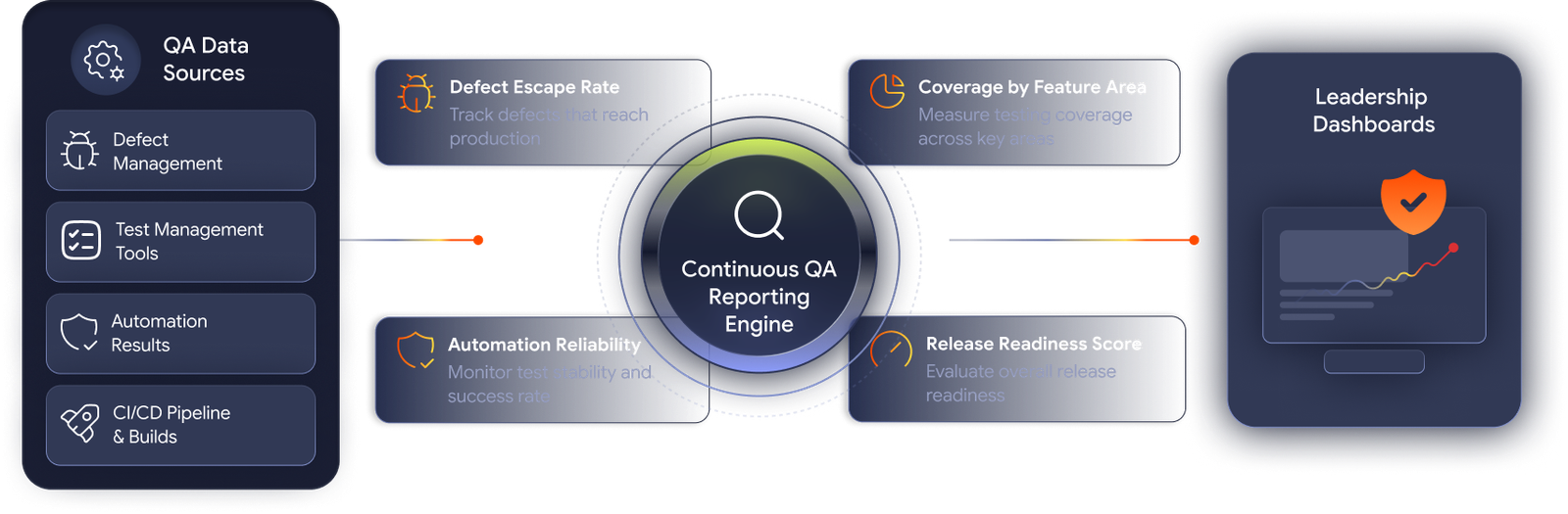
Defect escape rate, coverage by feature area, automation reliability, and release readiness scores tracked across sprints and surfaced in leadership dashboards.
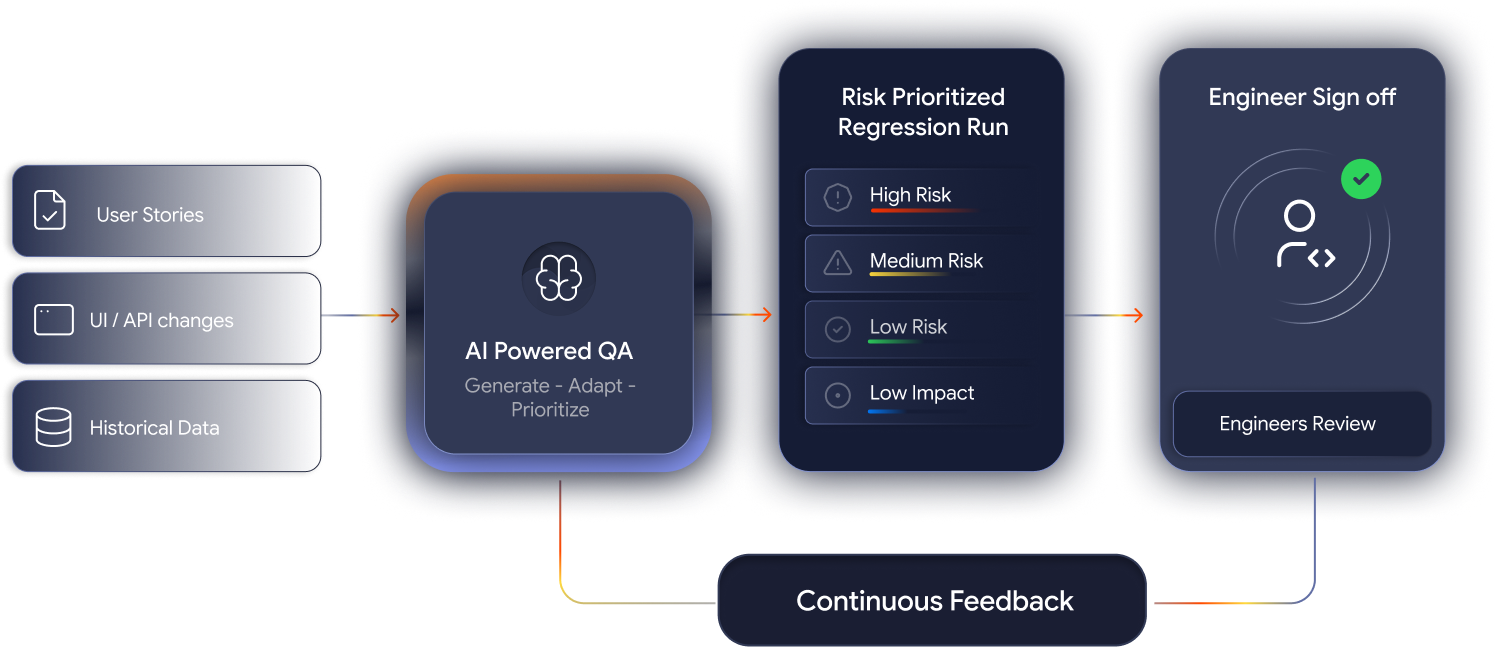

Written From Specs
Requirements turn
into runnable checks

Scripts Self-Heal
Interface changes stop
breaking your suite

Riskiest Run First
High-exposure areas
verified before the rest
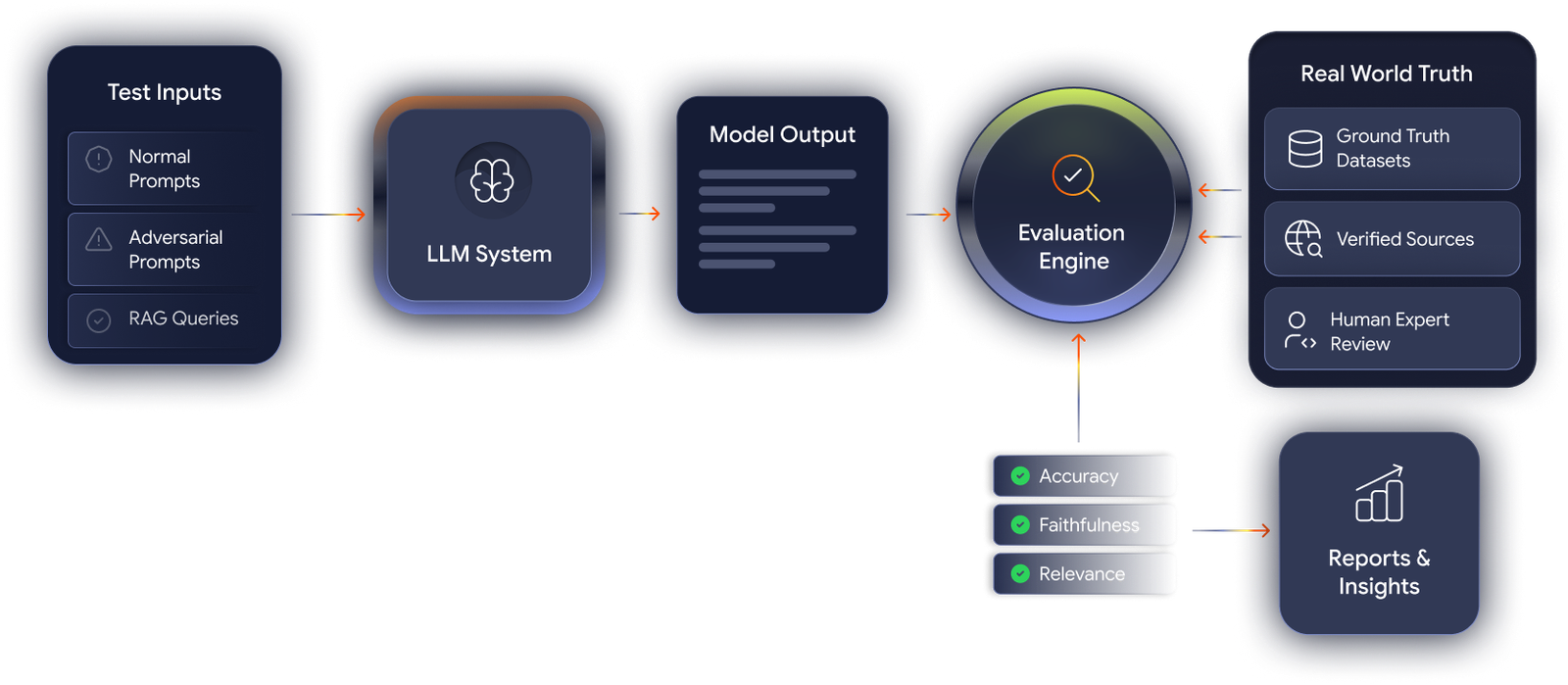
Ground Truth Check
Model responses measured
against known answers
Hostile Prompts
Behavior verified under
deliberate misuse
Retrieval Scored
Answer grounding tracked
as a hard number
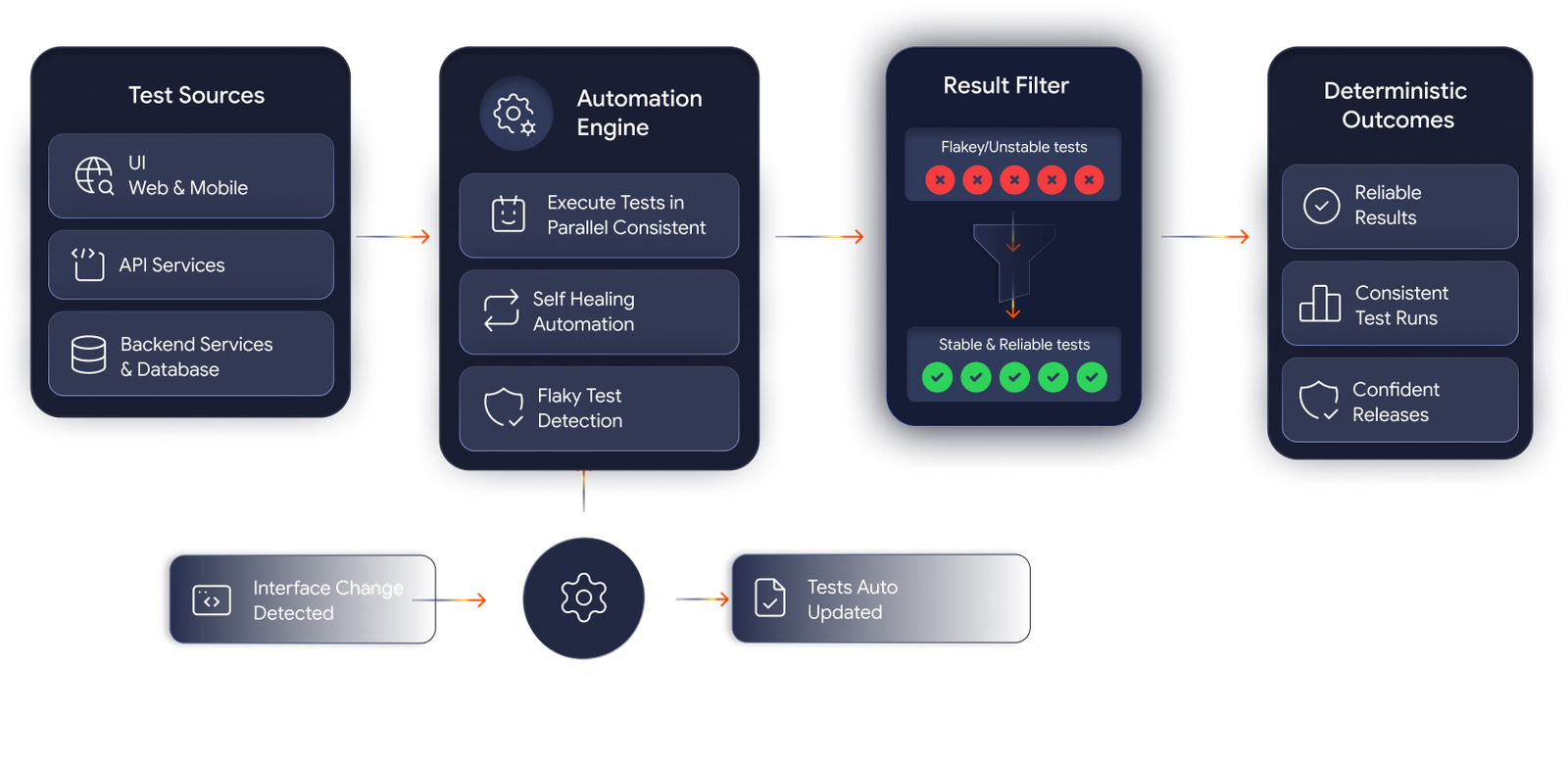
Every Layer Tested
Interface, service, and
backend all verified
Pipeline Native
Suites run on every
merge automatically
No False Alarms
Unstable results
quarantined, not ignored
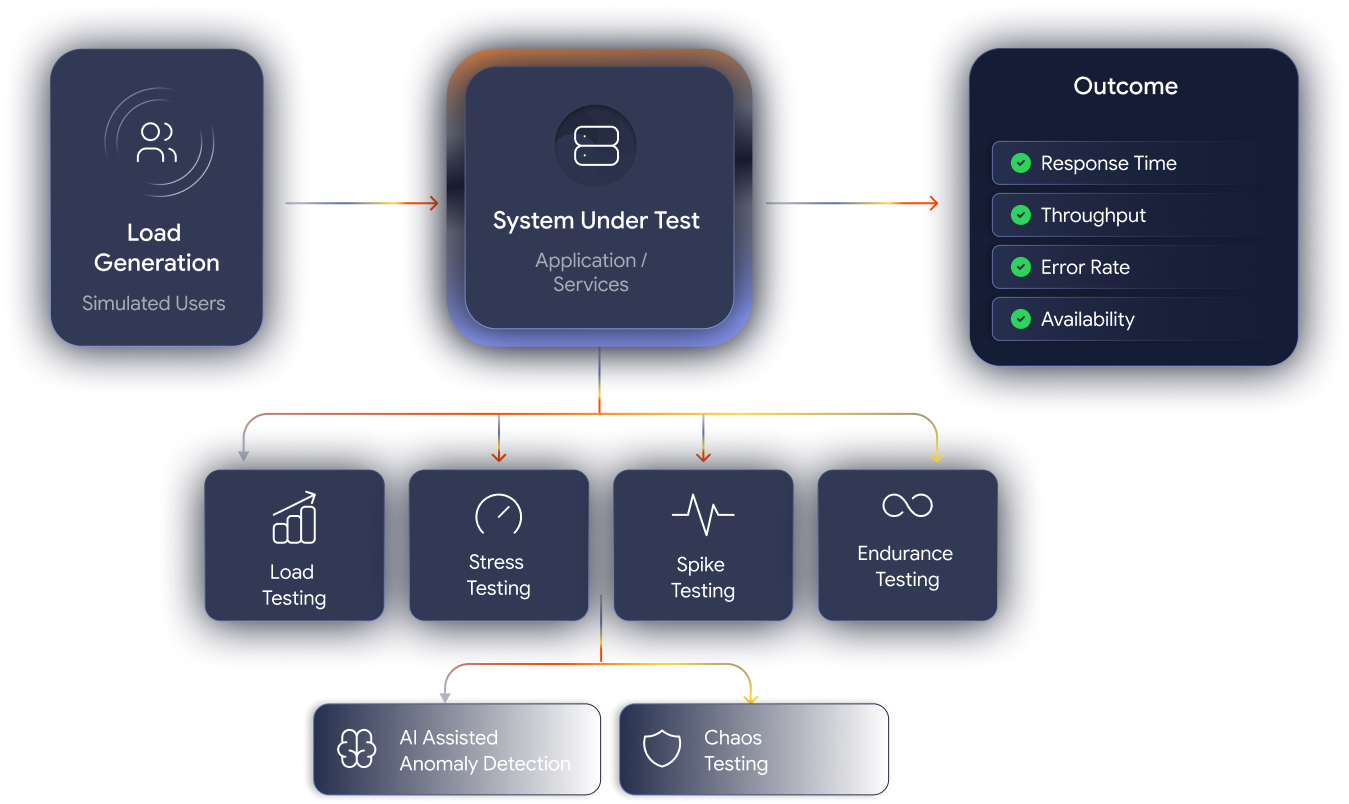
Peak Demand
Behavior proven at
maximum expected volume
Sustained Pressure
Long-duration runs
expose slow degradation
Failure Injected
Distributed weak points
found deliberately
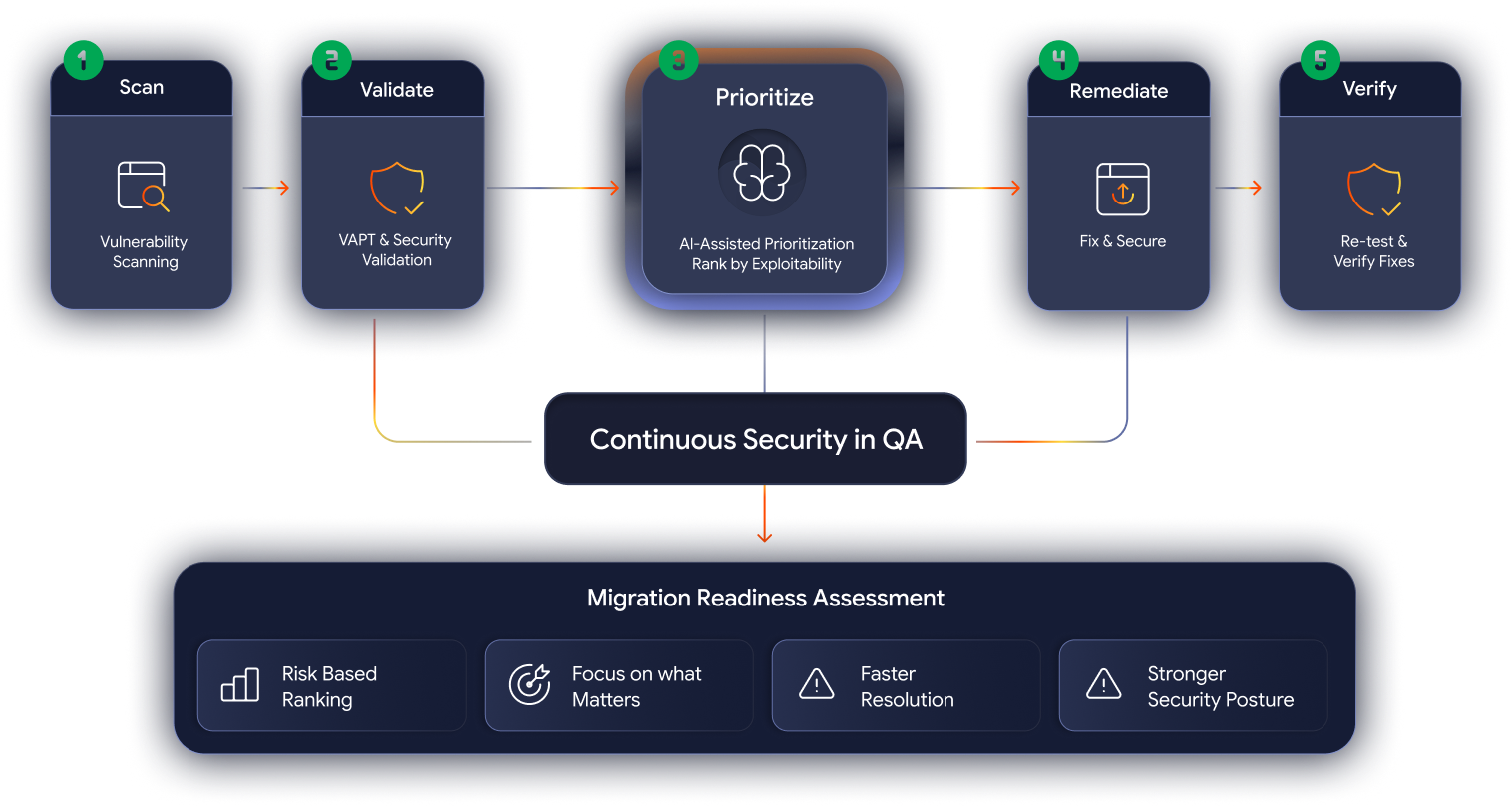
Weakness Found
Exploitable flaws identified
before attackers
Fix What Matters
Findings ranked by
real-world exploitability
Build-Stage Checks
Security verified as
code moves forward
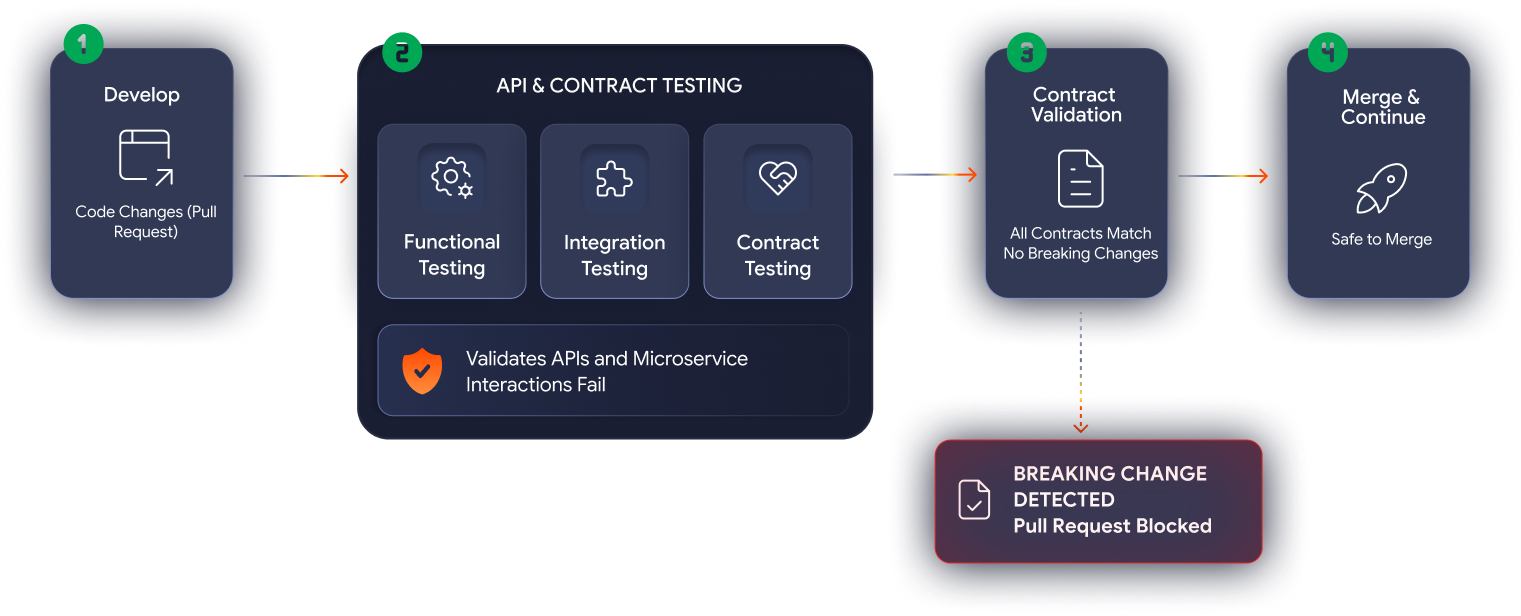
Contract Enforced
Service agreements
honoured across boundaries
Breaks Caught Fast
Incompatible changes
stopped at review
Service Boundaries
Every connection point
independently verified
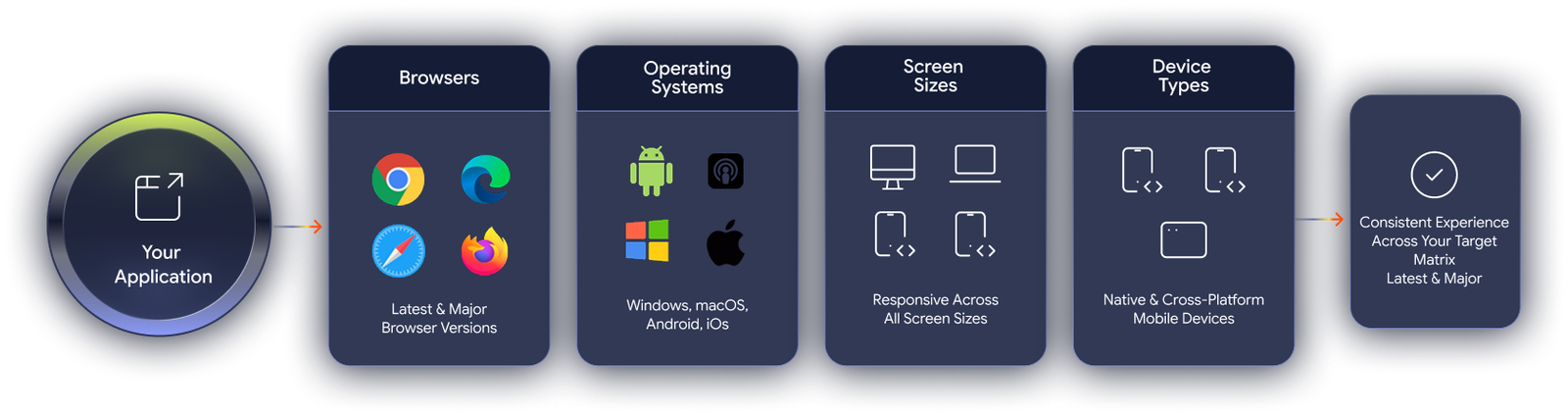
Real Device Matrix
Actual hardware, not
emulator approximations
Every Screen Size
Layouts verified across
viewport ranges
Native and Hybrid
Both app approaches
validated equally
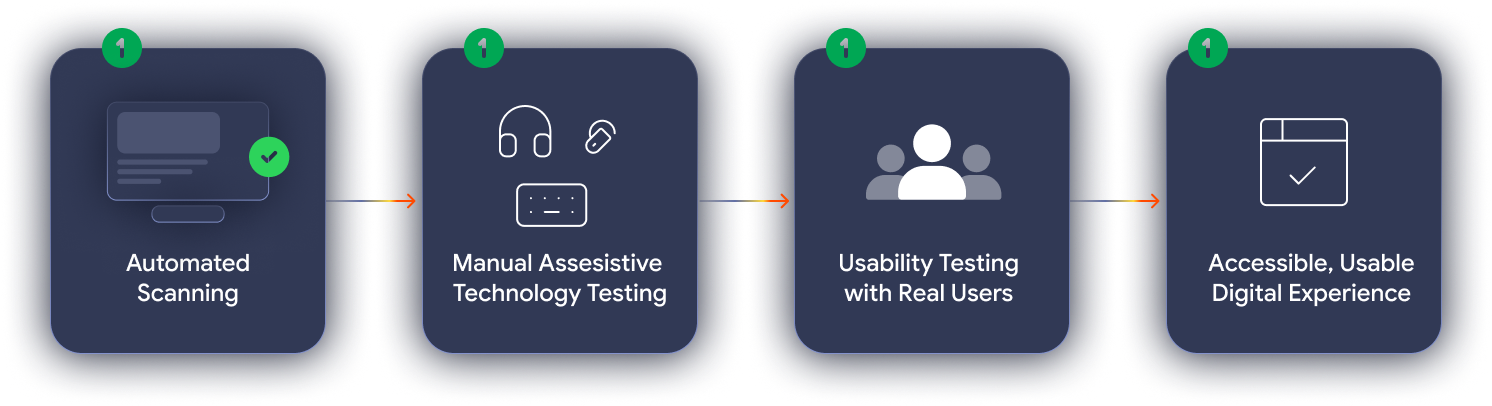
Standards Verified
Compliance confirmed
against published criteria
Assistive Tools
Screen reader journeys
manually walked through
Real Task Flows
Actual people completing
genuine objectives
Realistic Volumes
Datasets that mirror
production scale
Sensitive Fields
Personal records
obscured before use
Environments Set
Every stage populated
and ready to run
Escape Rate
Defects reaching users
measured over time
Coverage Mapped
Verification depth visible
per feature area
Ready to Ship
Release confidence
expressed as a number
What Would Your Test Suite Actually Catch?
Find out where your current coverage falls short.
Built for Complexity. Engineered for Scale.
Building the technology capabilities that underpin enterprise scale and resilience.

Cloud-native infrastructure modernization for a multi-carrier…

Automated GitLab group provisioning and user access management via…
GitLab to GitHub enterprise migration for a self-storage SaaS platform

Automating security alert management with a production-grade Jira…

Production-grade testing for enterprise AI governance
Our Technology Ecosystem












Built for Knowing What Your AI Actually Did
Whether you're in fintech, healthcare, legal, or hi-tech, we give you visibility into exactly what your AI did and why, not just whether the service responded. We work with engineering leads, platform teams, and compliance owners who need proof, not just a status light.
Leaders responsible for AI systems the business can rely on.
Owners who need AI features that genuinely work for real users.
Engineers building and maintaining the technical layer AI systems run on.
Industries that depend on reliable, secure intelligent systems.
FAQs: Questions Worth Asking Before Making a Technology Decision
Strategic guidance to help technology leaders navigate complex technology questions, evaluate approaches, and address what matters most.
QA engineering can reduce release risk by integrating automated testing, performance checks, security validation, regression testing, and quality gates directly into the development and CI/CD pipeline. This allows quality to be measured continuously rather than being treated as a final pre-release activity.
AI-powered QA uses test case generation from user stories, self-healing automation that adapts to UI and API changes, and risk-prioritized regression testing. Engineers retain sign-off while AI helps improve the efficiency and prioritization of testing activities.
Yes. Opcito’s AI and LLM testing approach includes evaluating model outputs against ground truth, testing prompt robustness against adversarial inputs, and tracking RAG accuracy as reportable metrics.
Test automation can cover UI, API, and backend functionality and can be architected for CI/CD environments. Self-healing automation can adapt to interface changes, while flaky test detection helps identify failures that are not deterministic.
Performance and resilience testing can include load, stress, spike, and endurance testing against defined thresholds. For distributed systems, chaos testing can also be used, with AI-assisted anomaly detection during load runs.
Bring Us the AI Behavior You Can't Explain Yet
We'll trace exactly what happened, and why.