Security Product Engineering












Enterprise Integrations for Products That Can't Run in Isolation
Payment gateways, CRM platforms, AI voice agents, identity providers, and domain-specific APIs, designed, built, and maintained as your product's connective layer, so data moves correctly without manual intervention.
Trusted by leading ISVs
and ecosystem partners



















Every System Your Product Needs to Talk To, Connected and Maintained
Modern products don't run in isolation. They depend on payment processors, CRM platforms, communication systems, data providers, and domain-specific APIs that vary by industry. We design, build, and maintain the integration layer that connects your product to its ecosystem, so data flows correctly between systems without manual intervention or brittle point-to-point connections that break when either side changes.
Every Connection Your Product Depends On
We design the data flow, build the connection, and keep it working as partner platforms change underneath you.
Transaction flow design, webhook handling with signature validation, idempotency, failed payment retry logic, and reconciliation automation across one-time, subscription, and marketplace payment models, with PCI DSS compliance scope managed throughout.
Bidirectional sync between the product and CRM, covering field mapping, real-time webhook updates, deduplication, and write-back patterns, so the CRM reflects what actually happened in the product rather than a delayed or incomplete version of it.
Connecting AI voice agents to telephony, CRM, and knowledge bases with SIP trunk configuration and real-time function calling, so the agent has context before a call starts and writes structured outcomes back to the CRM when it ends, with call recording compliance built in.
FHIR R4 connections to EHR systems covering SMART on FHIR authentication, patient data retrieval and write-back, HL7 v2 message handling for legacy hospital environments, and Business Associate Agreement compliance for PHI in transit.
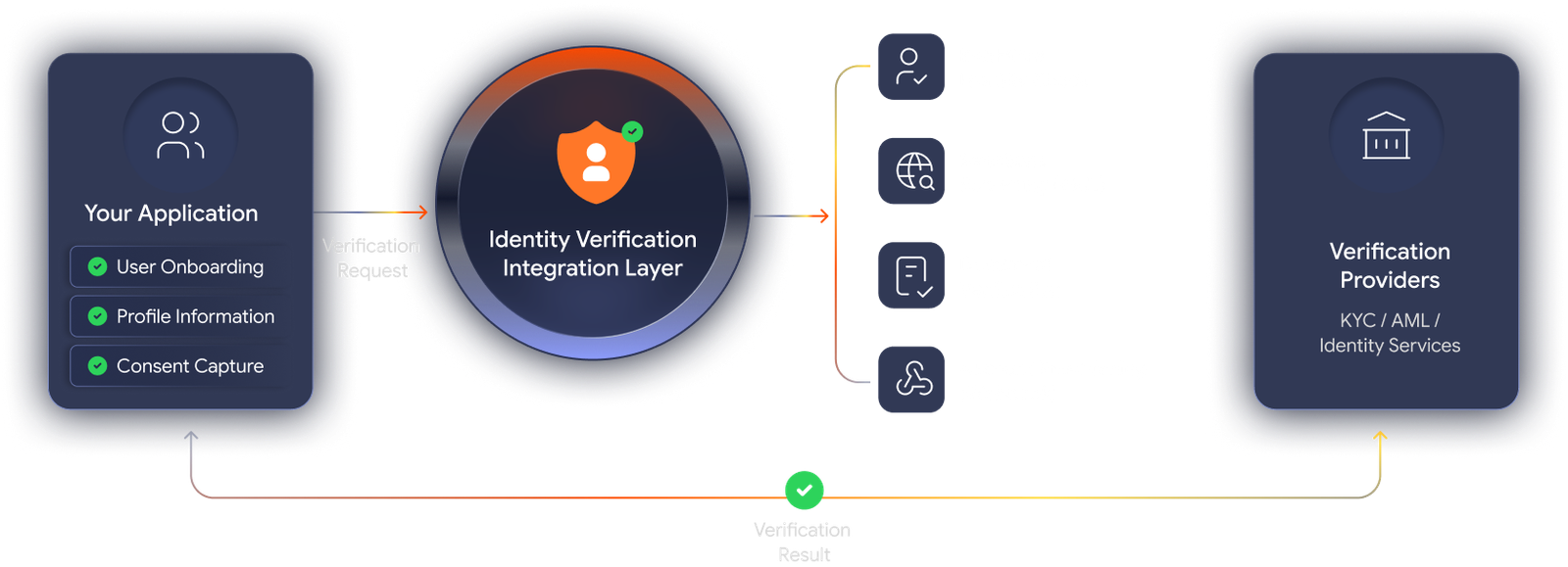
Connecting to KYC, AML, and identity verification providers for onboarding workflows, covering real-time checks, sanctions screening, document verification, and the webhook flows that trigger account provisioning or manual review queues based on outcomes.
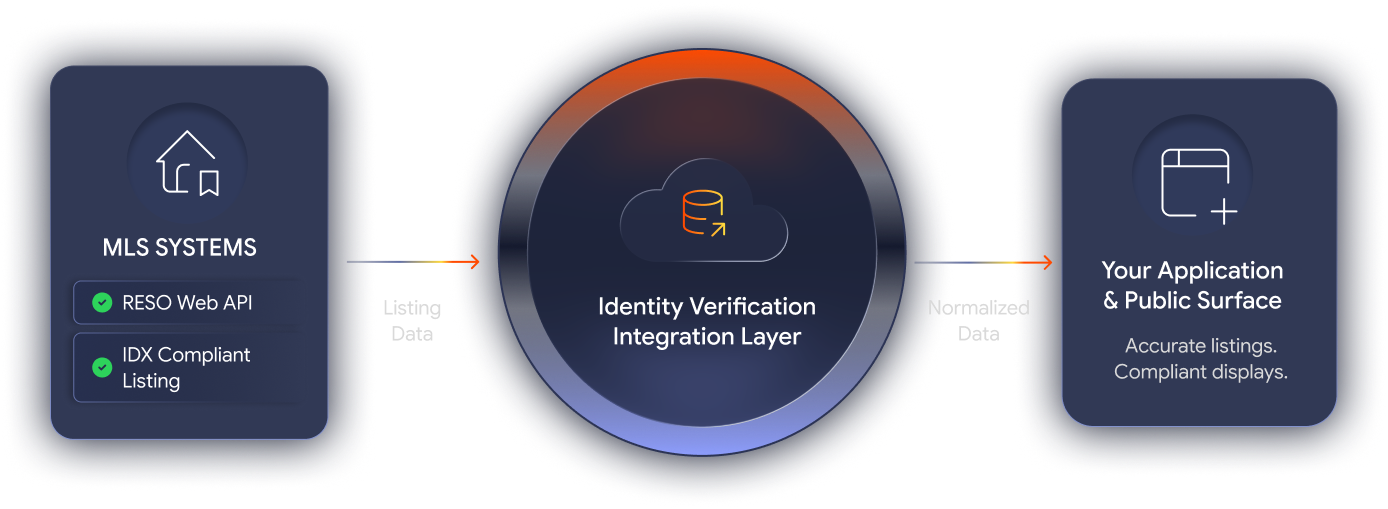
RESO Web API and IDX-compliant connections to MLS data feeds, covering ingestion, normalization, and real-time sync of listing data, along with the display rule compliance that governs how MLS data can be presented on public-facing surfaces.
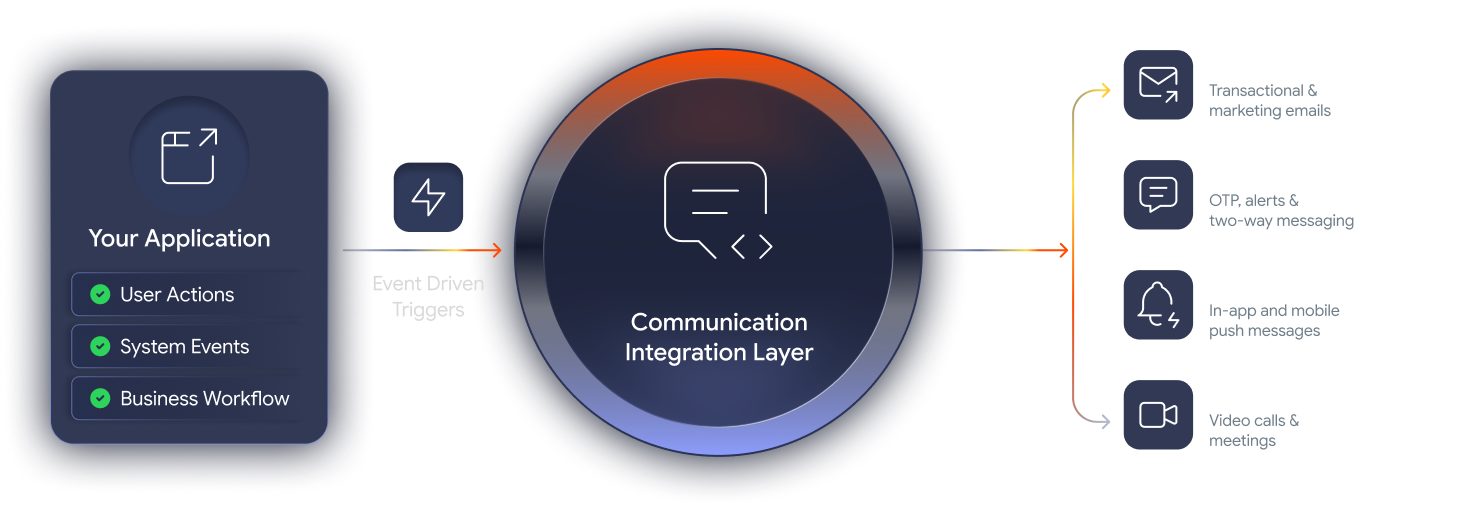
Connecting products to email, SMS, push notification, and video communication providers, covering template management, delivery tracking, opt-out handling, and the event-driven triggers that send the right message at the right point in a workflow.
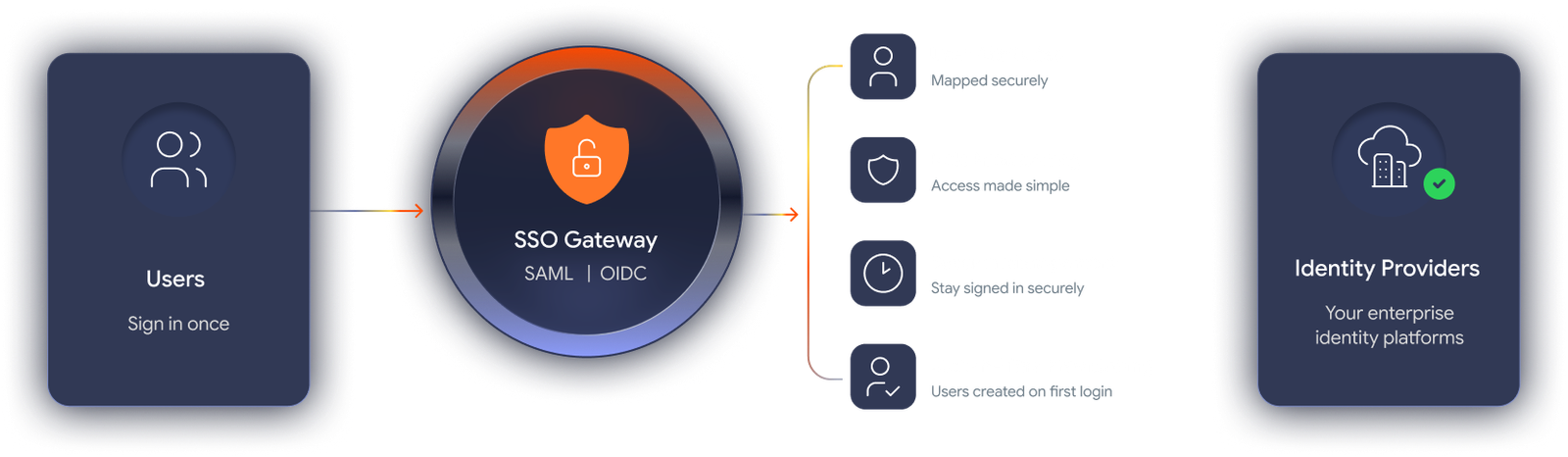
SAML and OIDC-based single sign-on integration with enterprise identity providers, covering attribute mapping, role provisioning from the identity provider, session management, and just-in-time provisioning that creates accounts on first login.
Streaming product event data to analytics platforms and data warehouses, covering schema design, event taxonomy, backfill handling, and the data quality checks that ensure the analytics layer reflects what actually happened, not dropped or duplicated events.
Connecting products to document generation, storage, and e-signature platforms, covering template-based document creation, signing workflow orchestration, audit trail retrieval, and the webhook callbacks that advance a workflow when a document is signed.
Instrumentation across every integration to surface failures, latency spikes, and data inconsistencies before they become user-facing problems, covering retry handling, dead letter queue management, alerting, and maintenance as partner APIs evolve without notice.
Connecting to ERP systems, warehouse management platforms, and logistics providers covering inventory sync, order lifecycle webhooks, shipping updates, and the data consistency checks that keep operational data accurate across every connected system.
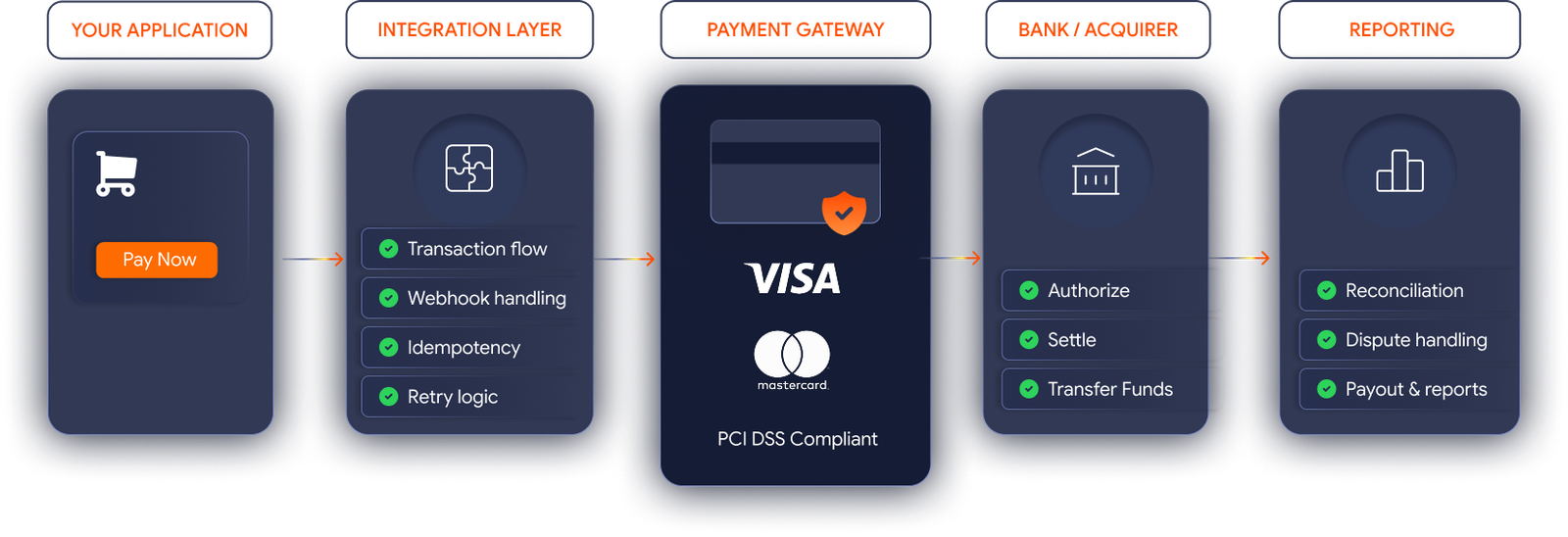

Money Moves Right
Charges settle correctly
the first time

Duplicate Blocked
Repeat charges
prevented at the source

Card Rules Met
Certification scope
handled from the start
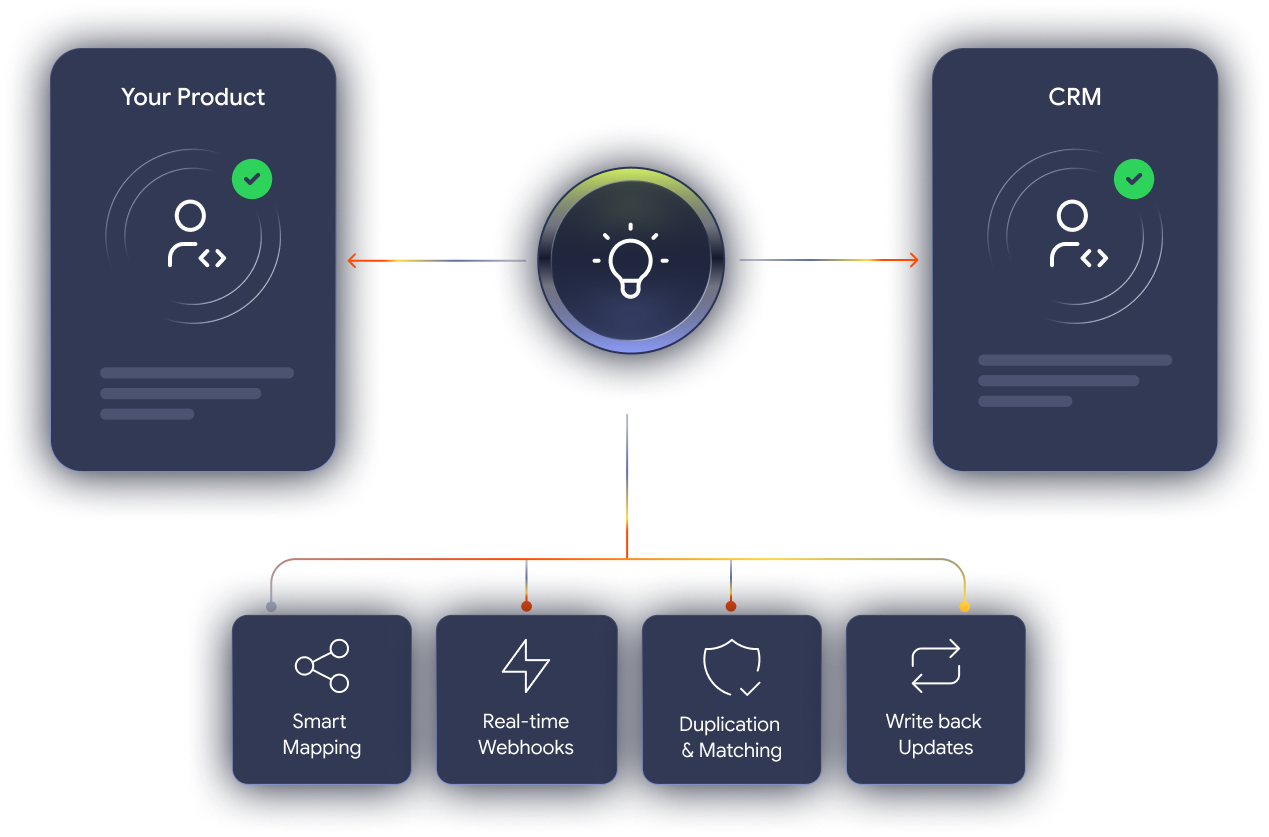
Records Match
Sales data mirrors
what users actually did
Live Updates
Changes appear
immediately, not overnight
Clean Records
Duplicate entries
caught before they land
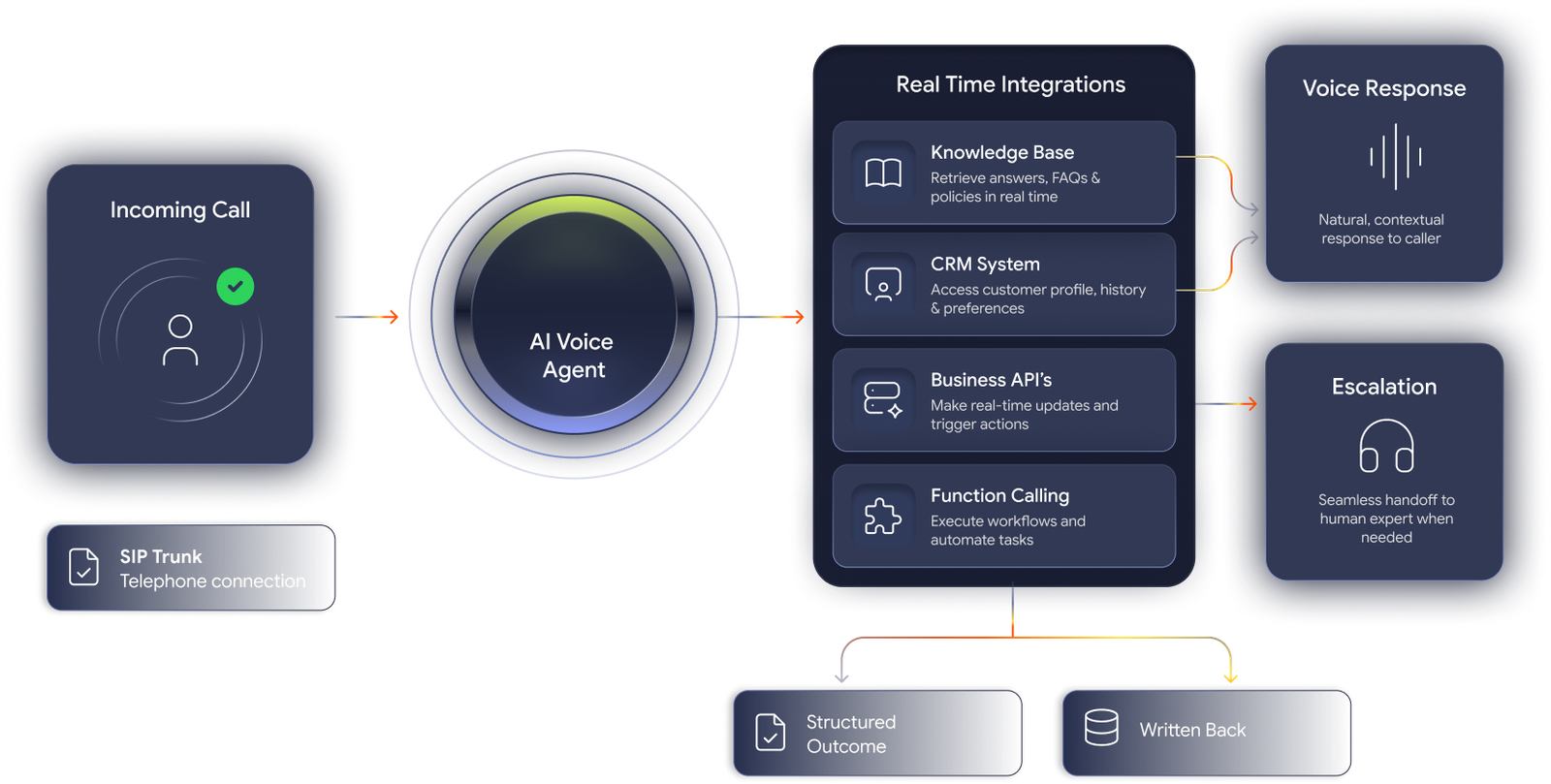
Caller Context
Agent knows who
it's speaking to upfront
Notes Written Back
Call outcomes land
in sales records
Recording Rules
Consent and storage
handled legally
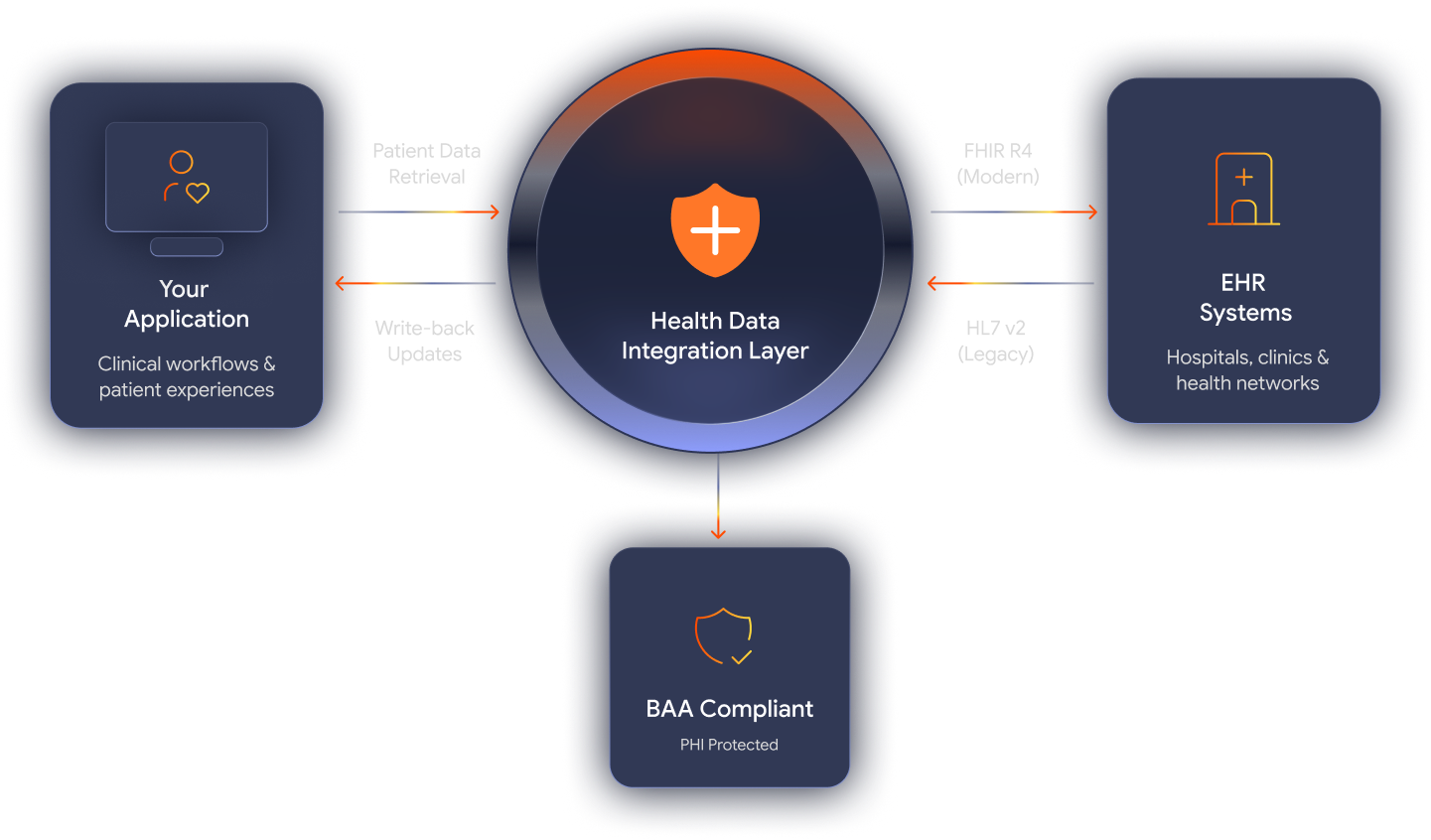
Clinical Standards
Modern and legacy
hospital formats supported
Patient Data Safe
Protected health
information stays protected
Two-Way Records
Read from and write
to hospital systems
Onboarding Speed
Checks clear in
seconds, not days
Risk Screening
Sanctions and risk
lists checked live
Auto Provisioning
Approved accounts open
without manual steps
Listing Standards
Property feeds ingested
to industry spec
Display Rules
Presentation follows
licensing requirements
Fresh Listings
Property changes
reflected as they happen
Right Channel
Email, text, push,
or video as needed
Delivery Proof
Know what arrived
and what bounced
Opt-Out Honored
Preferences respected
across every channel
One Login
Corporate credentials
work everywhere
Roles Inherited
Permissions flow
from your directory
First-Login Setup
Accounts created the
moment someone arrives
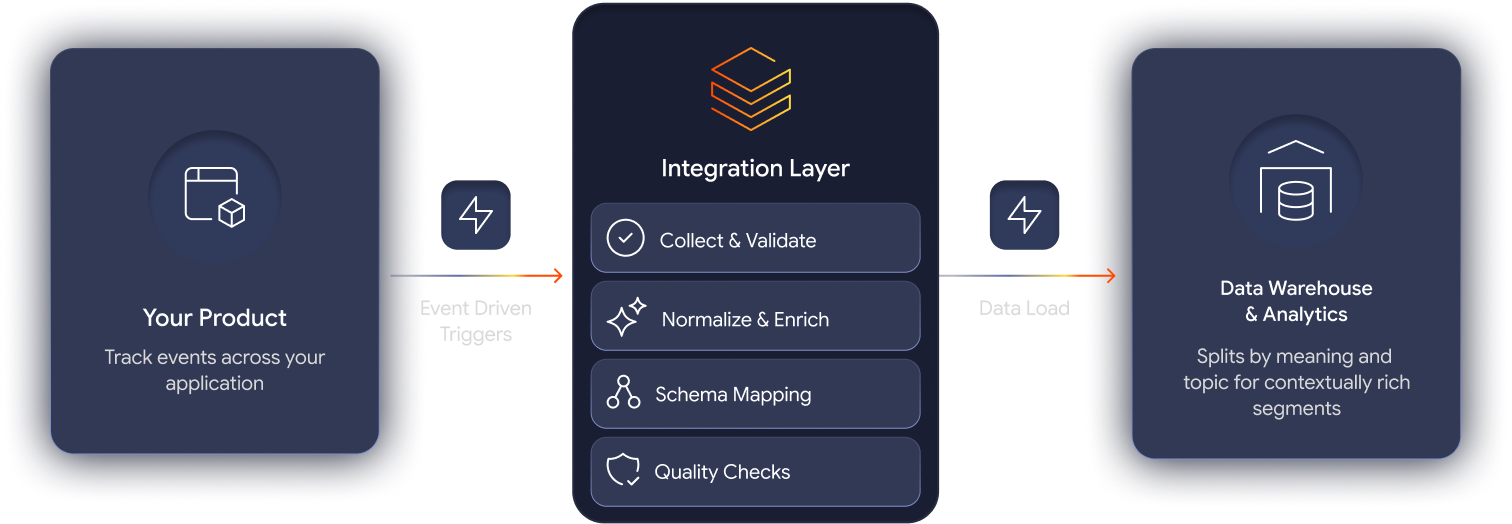
Nothing Dropped
Every event lands
where it should
Clean Schema
Structure designed
before data flows
Numbers Trusted
Reports reflect
reality, not gaps
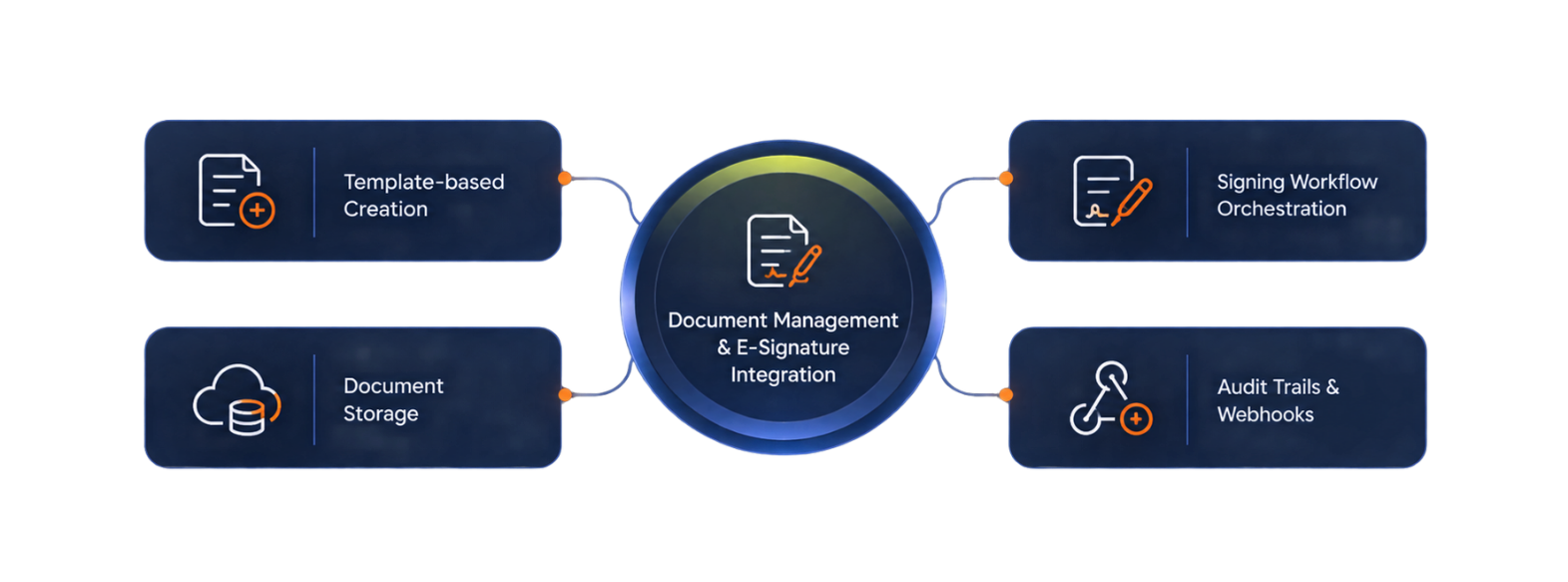
Papers Generated
Documents built from
live product data
Signature Flow
Approvals move
through defined stages
Trail Preserved
Who signed what,
and when, recorded
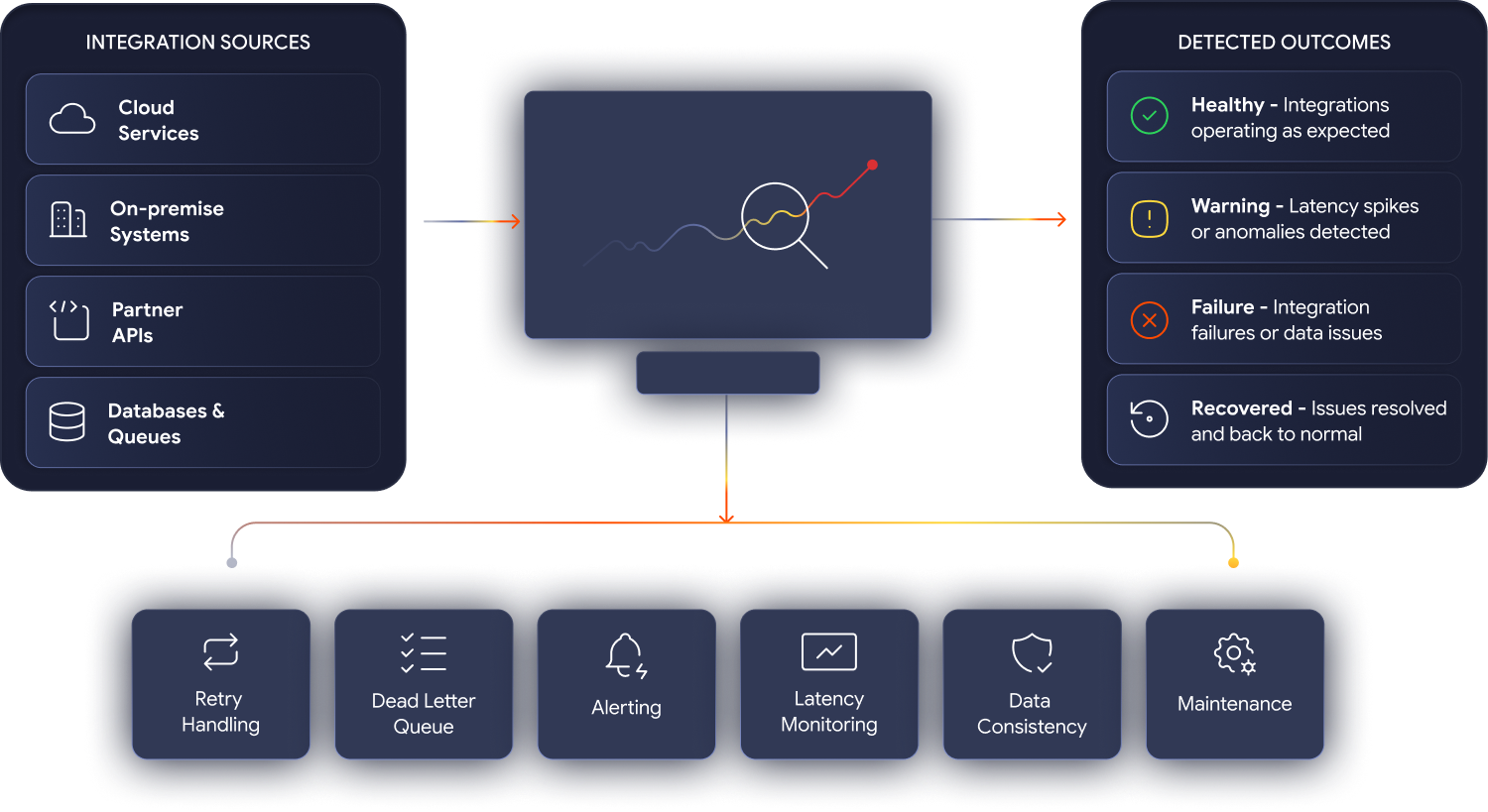
Failures Surface
Problems visible
before users notice
Retries Handled
Temporary faults
recover on their own
Partner Changes
Updates absorbed
as vendors evolve
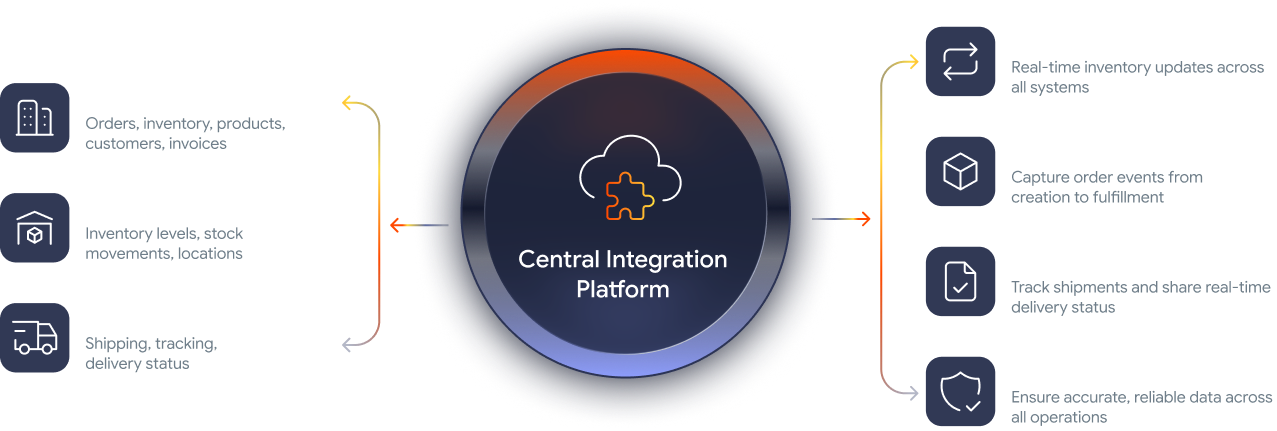
Stock Accurate
Inventory counts
match across systems
Order Visibility
Fulfilment status flows
back automatically
Shipping Synced
Delivery updates
reach the product live
How Many of Your Integrations Are One Partner API Change Away From Breaking?
Tell us what your product connects to, we'll show you where the risk actually sits.
Built for Complexity. Engineered for Scale.
Building the technology capabilities that underpin enterprise scale and resilience.

Cloud-native infrastructure modernization for a multi-carrier…
Automated GitLab group provisioning and user access management via…

GitLab to GitHub enterprise migration for a self-storage SaaS platform
Automating security alert management with a production-grade Jira…

Production-grade testing for enterprise AI governance
Our Technology Ecosystem












Built for Products With a Lot of Moving Parts
Whether you're in fintech, healthcare, legal, or hi-tech, we connect your product to the payment rails, health records, identity providers, and data feeds your industry runs on. We work with engineering leads, product owners, and platform teams who need integrations that hold up as partner APIs change.
Leaders responsible for AI systems the business can rely on.
Owners who need AI features that genuinely work for real users.
Engineers building and maintaining the technical layer AI systems run on.
Industries that depend on reliable, secure intelligent systems.
FAQs: Questions Worth Asking Before Making a Technology Decision
Strategic guidance to help technology leaders navigate complex technology questions, evaluate approaches, and address what matters most.
Opcito provides enterprise integration services connecting products with payment gateways, CRM platforms, AI voice agents, EHR and health data systems, KYC/AML and identity verification providers, property and MLS data, communication platforms, enterprise identity providers, analytics platforms, document management and e-signature platforms, ERP systems, warehouse management platforms, and logistics providers.
Opcito's payment gateway integration covers transaction flow design, webhook handling with signature validation, idempotency, failed-payment retry logic, and reconciliation automation for one-time, subscription, and marketplace payment models. PCI DSS compliance scope is managed throughout the integration.
CRM integration can provide bidirectional synchronization between the product and CRM, including field mapping, real-time webhook updates, deduplication, and write-back patterns. This allows the CRM to reflect activity that actually occurred in the product rather than a delayed or incomplete version of the data.
Yes. Opcito can connect AI voice agents with telephony, CRM, and knowledge bases using SIP trunk configuration and real-time function calling. The integration can provide the agent with context before a call and write structured call outcomes back to the CRM, with call recording compliance built in.
Opcito's EHR and health data integration covers FHIR R4 connections, SMART on FHIR authentication, patient data retrieval and write-back, and HL7 v2 message handling for legacy hospital environments. The integration also covers Business Associate Agreement compliance for PHI in transit.
Opcito can connect products with KYC, AML, and identity verification providers to support onboarding workflows involving real-time checks, sanctions screening, document verification, and webhook flows. Outcomes can trigger account provisioning or manual review queues.
Bring Us the Integration That Keeps Breaking
We'll find out why, fix it, and keep it working.